Why connected simulation workflows matter?
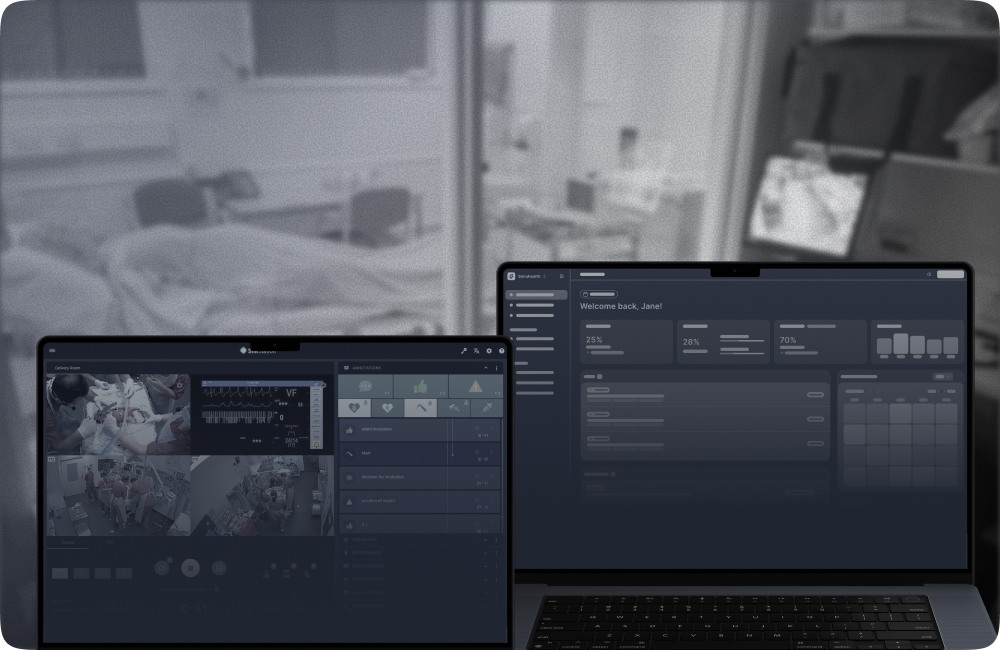
As healthcare simulation programs grow, the administrative workload behind each session grows with them. Healthcare educators and operations specialists often enter the same information into several platforms, reconcile schedules by hand, and gather data from separate sources when preparing accreditation reports or budget requests. These repeated tasks take time away from the clinical scenario design, facilitation, and debriefing, which are the activities that most directly shape learner outcomes.
A more connected approach can also strengthen healthcare simulation program quality. When operational records and performance data come together, healthcare simulation leaders get a clearer picture of how resources are used, where learners need more support, and which programs deliver the most value. That visibility supports evidence-based decisions about staffing, equipment purchases, and curriculum priorities. For multi-site systems in particular, consistent workflows help standardize training across locations so that every learner receives a comparable, high-quality experience no matter where the education takes place.